Artificial Intelligence

How AI Improves Predictive Maintenance for Industrial Equipment
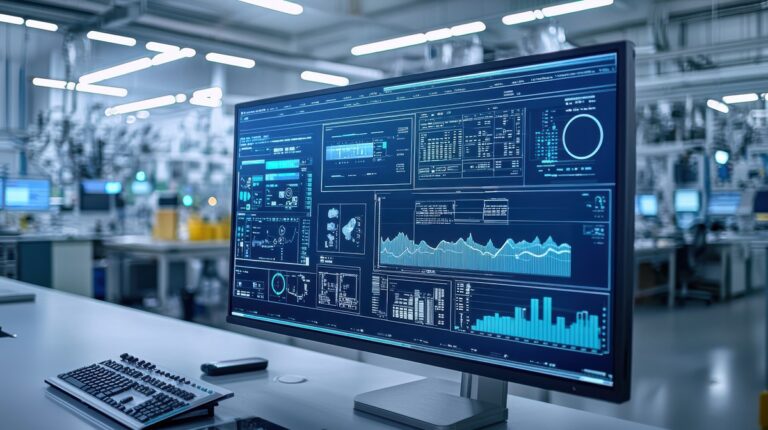
Predictive maintenance has been around for decades. The old version watched for sensor readings to cross fixed thresholds. Vibration above a set number triggered an alarm. Temperature above a set number triggered an alarm. The approach worked, but it only caught problems after they were already obvious. AI changes that. Instead of waiting for a…
Control Panels

What Is a UL 508A Panel Shop and Why It Matters for Your Project

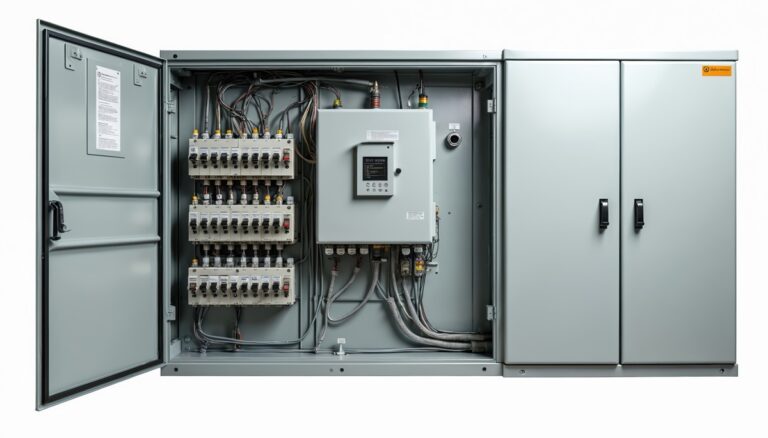
Should the panel be UL listed? Does the buyer require a UL 508A label? What does the inspector want to see when the panel arrives at the job site? These are reasonable questions, and the answers come down to one thing. The shop that built the panel needs to be a UL 508A panel shop,…

Control Panels

Motor Control Panel Components Explained: A Complete Breakdown

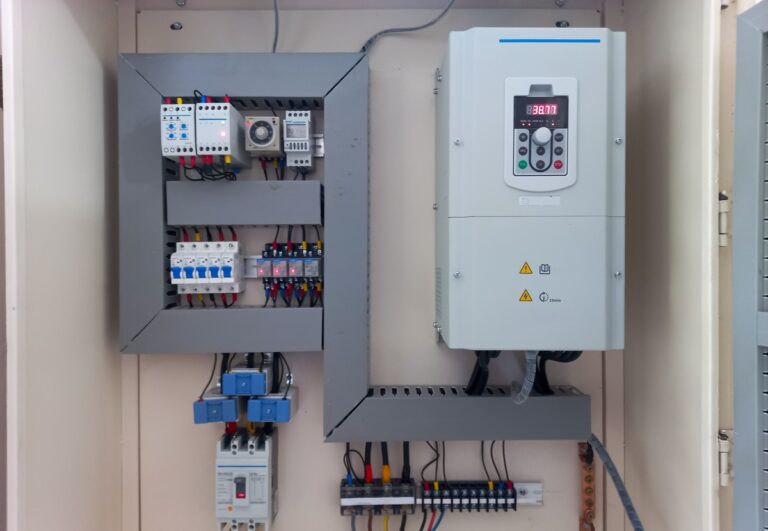
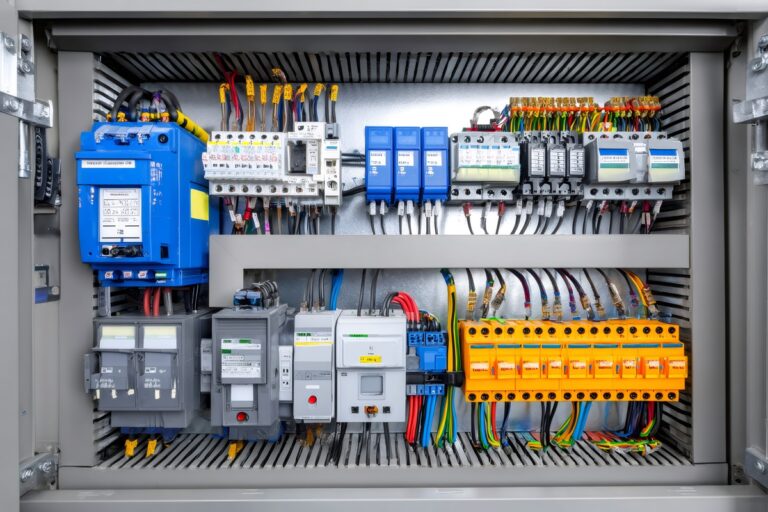
Open a motor control panel door and you see a wall of components. Each one is sized for a specific motor, picked from a UL-recognized list, and wired in a sequence that has to satisfy the National Electrical Code and the inspector. Get one wrong and the panel either fails inspection or fails in service….

Control Panels | Operator Consoles

Conveyor Control Systems Design for Aggregate and Forestry Operations

AEC has built conveyor control systems for crushing plants, sawmills, log yards, and material handling operations across the western United States and beyond. Conveyor systems move material through every stage of an aggregate or forestry operation. When they stop, production stops. In most cases, the issue is not the conveyor itself. It is how the…

PLC Systems

Industrial Network Switch Strategy for PLC Networks

Modern automation systems depend on reliable communication between controllers, drives, remote I/O, and operator interfaces. As more devices are added, the network switch strategy becomes just as critical as the PLC program itself. Many systems begin with unmanaged switches because they are simple and inexpensive. In smaller applications, they often perform well. As systems expand,…

Control Panels

Control Panel Commissioning Checklist for Startup and System Handoff

Installing an industrial control panel is only part of the job. The first startup is where the real validation happens. Wiring, programming, safety circuits, and field devices all come together during commissioning. If something was overlooked during fabrication or installation, the first energization will expose it. A structured commissioning process reduces startup delays and prevents…

PLC Systems

Automation Firmware Management Strategy for Industrial Plants

Most industrial automation systems run reliably for years without major software changes. The challenge appears when hardware fails or when equipment must be upgraded. At that moment firmware suddenly becomes a critical issue. A replacement controller may arrive with a newer firmware revision than the one running in production. An HMI may not communicate with…

PLC Systems

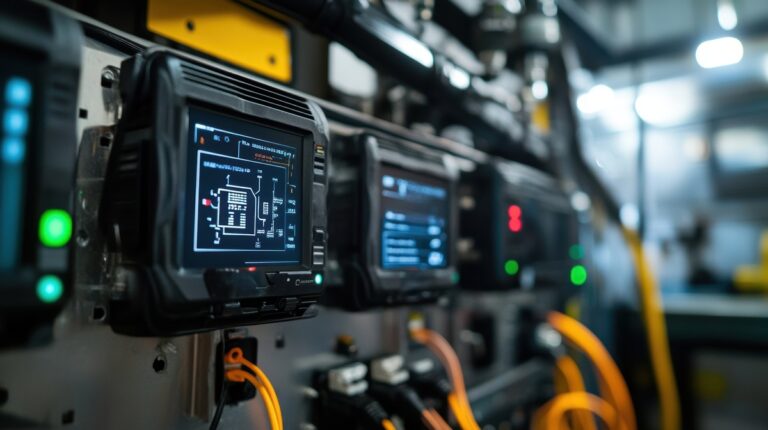
How to Monitor PLC Performance in Real Time

Why Real-Time PLC Performance Monitoring Matters for Uptime and Safety Most production problems do not start with a hard failure. They show up as longer scan times, delayed network responses, intermittent I/O faults, or nuisance alarms that operators learn to ignore. Without visibility into what the PLC is actually doing, those signals are easy to…

VFD

From Drive Cabinets to Data Hubs: The Expanding Role of VFD Panels

Variable frequency drive (VFD) panels used to be straightforward. They started motors, ramped them up, and shut them down. That was the job. But industrial facilities don’t run that way anymore. Modern production lines need more than simple on-off control. They need real-time feedback and predictive insights. They need systems that talk to each other…

Industries

Retrofitting Legacy Equipment for Smart Automation

For many industrial facilities, production still runs on control systems built decades ago. These panels were solid in their time, but they lack the sophistication and capabilities of modern systems and become problematic with age. So, at some point, keeping legacy equipment alive becomes a risk to safety and uptime. But modernizing your control equipment…