
Industries

When Power Gets Unreliable: Fixing Power Quality Problems in Industrial Plants

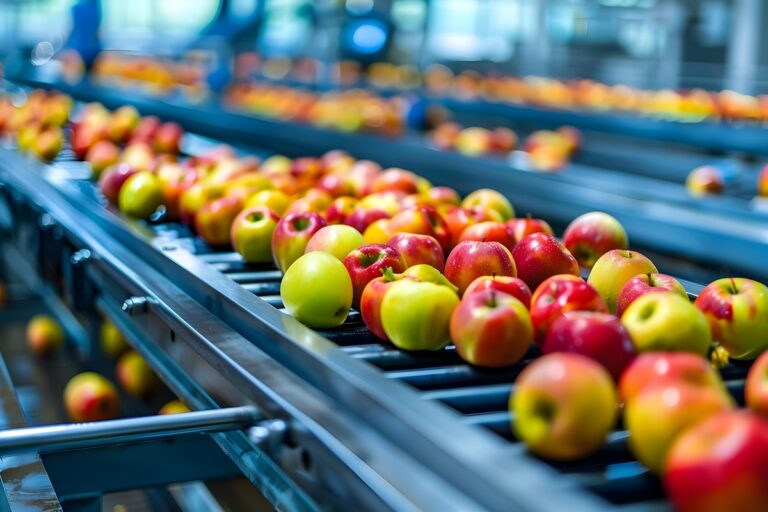
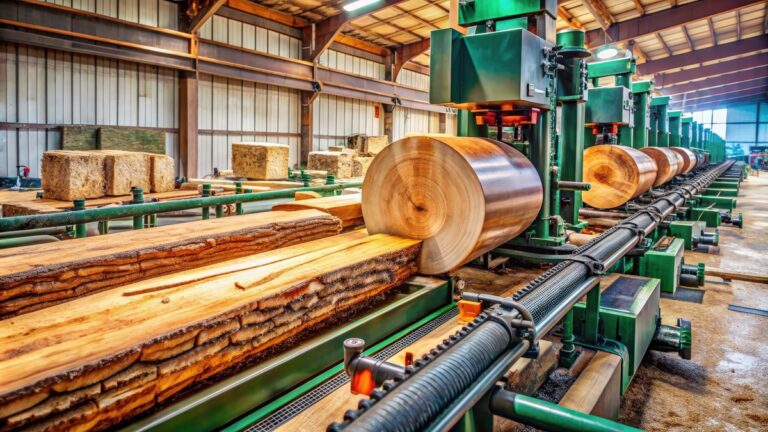
If you run a forestry operation, a food packaging plant, or operate an aggregate business, you have probably seen this pattern. The line runs fine most of the day. Then a drive trips. A control system resets. A transformer runs hotter than it used to. Someone swaps a component, things settle down for a while,…

Industries

What Makes Collaborative Robots Unique In How They Operate Alongside Humans

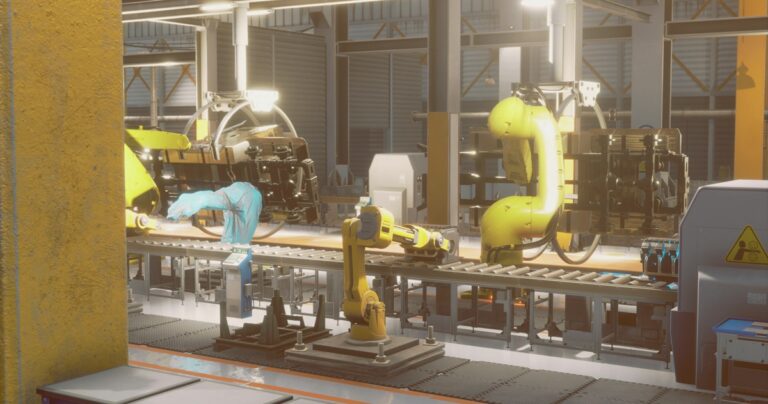
Collaborative robots are changing how we think about automation. Unlike traditional industrial robots that operate behind cages, cobots work safely alongside human operators. This shift demands new approaches to control panel design and integration. The global cobot market exceeded $1 billion in 2023 and continues growing. Food processing facilities, lumber mills, and aggregate operations are…

Industries

Retrofitting Legacy Equipment for Smart Automation

For many industrial facilities, production still runs on control systems built decades ago. These panels were solid in their time, but they lack the sophistication and capabilities of modern systems and become problematic with age. So, at some point, keeping legacy equipment alive becomes a risk to safety and uptime. But modernizing your control equipment…

Industries

5G and Wireless Network on the Factory Floor: The Next-Gen Connectivity Revolution

The factory floor is on the edge of a connectivity revolution. As manufacturers look for ways to work faster, smarter, and with more flexibility, 5G wireless network technology is coming forward as the solution. This next-generation wireless network promises to transform industrial operations, enabling smart factories and driving Industry 4.0 initiatives forward.  Why 5G for…

Industries

Embracing Industry 5.0: The Next Evolution of Industrial Automation

The industrial landscape is evolving once again. While industries have spent the last years implementing Industry 4.0 technologies like smart sensors, IoT connectivity, and data analytics, there’s a new model emerging – and it’s putting humans back at the center. Industry 5.0 is a shift toward collaborative manufacturing that combines the efficiency of advanced automation…

Industries

Leveraging Automation to Address Labor Shortages in Industrial Sectors

The industrial revolution paved the way for industrial automation, and it has made a huge impact in the years that have followed. Now, amid the Fourth Industrial Revolution, or Industry 4.0, automation and technological advancements play a bigger role than ever. Those first automated machines addressed the needs of the times and freed the labor…

Industries

The Future of Industrial Automation in Food Processing

Automation and robotics have streamlined food processing operations, ensuring higher accuracy and greater speed for tasks like ingredient mixing, boxing, and bottling. But as the industrial and manufacturing world embraces Industry 4.0, we see exciting new developments in this sector, too. What does this mean for the future of industrial automation in food processing? Here…

Control Panels | Industries

How Automation Can Solve Key Labor Shortages in Industrial Operations

Industrial automation has changed the face of countless industries as it has numerous benefits, such as higher productivity and precision, and of course, cost-efficiency. It is also one of the most effective labor shortage solutions. But how does automation solve the issue of labor shortages in the industrial sector? More importantly, will it continue to…

Control Panels | Industries

The Benefits of Custom Built Motor Control Panels for the Forestry Industry

There’s no stopping the forward march of industrial technology and innovation. In particular the forestry industry is experiencing greater precision, higher productivity, and more cost-efficiency, thanks to automation. And behind it all, you’ll find the motor control panel. A custom-built motor control panel is essential to incorporate new trends in forestry automation. But it is…

Industries

Reducing Downtime in Agricultural Operations with Automated Control Systems

Advances in smart equipment and automated control systems are showing great promise in the agricultural sector. Farmers are now using agricultural automation for planting, irrigation, harvesting, processing, and much more. Automation can be fixed, programmable, flexible, or integrated with existing systems. The need for human intervention, and the degree to which it can be adapted,…