Control Panels

Common Control Panel Project Mistakes and How to Avoid Them
A motor size changes after the panel layout is approved. A replacement VFD is selected because the original unit is unavailable. An Ethernet connection is shown on the drawings, but no one has defined who supplies the switch or assigns the network addresses. Inside an industrial control panel project, each one can affect several other…
Control Panels

How Panel Design Affects Maintenance and Troubleshooting

A motor stops, the HMI reports a fault, and the maintenance technician has to determine whether the problem is the motor, drive, control circuit, PLC logic, or communication path. Troubleshooting could take a few minutes or several hours depending on decisions made when the control panel was designed. Component placement, terminal layout, labeling, wire routing,…

Control Panels

Standard Components vs. Customer-Specified Components in Industrial Control Panels

A motor starter, PLC, VFD, power supply, or circuit breaker may have several technically acceptable options. That does not mean those options are interchangeable from the customer’s point of view. A plant that has standardized on one product family may already stock replacements, own the programming software and train technicians. On another project, the customer…

Control Panels

Power Distribution Inside an Industrial Control Panel

Even if a PLC is programmed correctly, the panel can still be difficult to maintain if the power architecture is wrong. Power distribution inside an industrial control panel is what takes incoming power and distributes it into protected circuits for motors, drives, transformers, power supplies, and other loads. The design makes faults manageable and keeps…

Control Panels

Reviewing Control Panel Shop Drawings Before Production Begins

A control panel drawing can be technically complete and still leave important questions unresolved. The wrong component may have been selected. An enclosure may be too tight for service access. The I/O list may not match the field devices. A network connection may be missing. That is why shop control panel drawing review should be…

Control Panels

Factory Acceptance Testing (FAT) for Industrial Control Panels

A control panel’s true performance is determined by how well it operates under actual job-site conditions. Wiring errors, programming mistakes, and incorrect device configuration issues can be unnoticed until equipment is connected. Finding those problems during startup is expensive. Production schedules are already in motion and every day spent troubleshooting adds cost to the project….

Control Panels

Understanding Short Circuit Current Rating (SCCR) on Industrial Control Panels

Every industrial control panel installed under the National Electrical Code has to have a Short Circuit Current Rating. The rating shows up on the UL label as an SCCR number. The panel builder is responsible for calculating it correctly. This article walks through what SCCR actually is, how it gets calculated, and what to do…

Control Panels

What Is a UL 508A Panel Shop and Why It Matters for Your Project

Should the panel be UL listed? Does the buyer require a UL 508A label? What does the inspector want to see when the panel arrives at the job site? These are reasonable questions, and the answers come down to one thing. The shop that built the panel needs to be a UL 508A panel shop,…

Control Panels

Motor Control Panel Components Explained: A Complete Breakdown

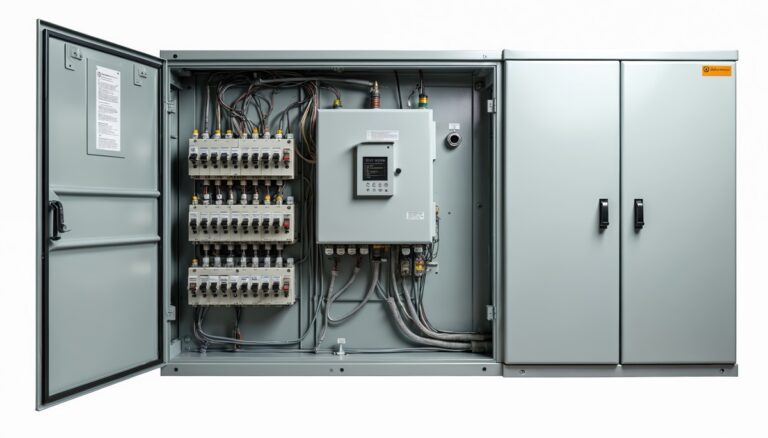
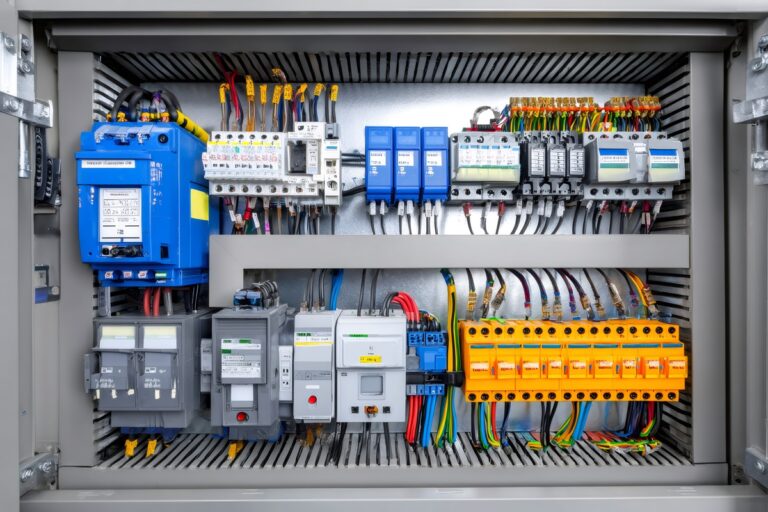
Open a motor control panel door and you see a wall of components. Each one is sized for a specific motor, picked from a UL-recognized list, and wired in a sequence that has to satisfy the National Electrical Code and the inspector. Get one wrong and the panel either fails inspection or fails in service….

Control Panels | Operator Consoles

Conveyor Control Systems Design for Aggregate and Forestry Operations

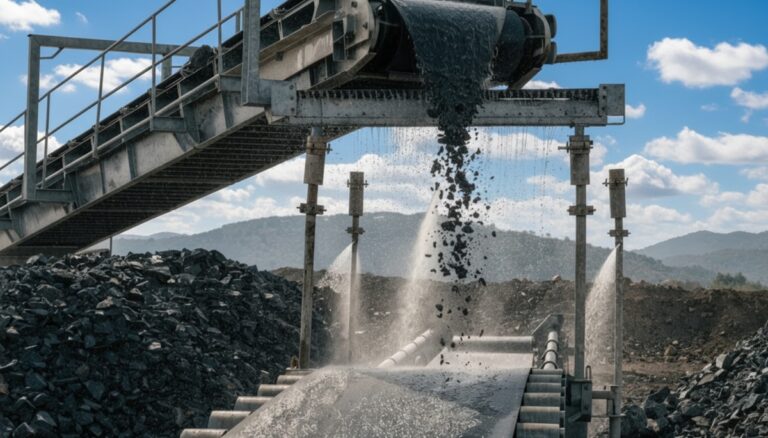
AEC has built conveyor control systems for crushing plants, sawmills, log yards, and material handling operations across the western United States and beyond. Conveyor systems move material through every stage of an aggregate or forestry operation. When they stop, production stops. In most cases, the issue is not the conveyor itself. It is how the…