
The Future of Industrial Automation in Food Processing
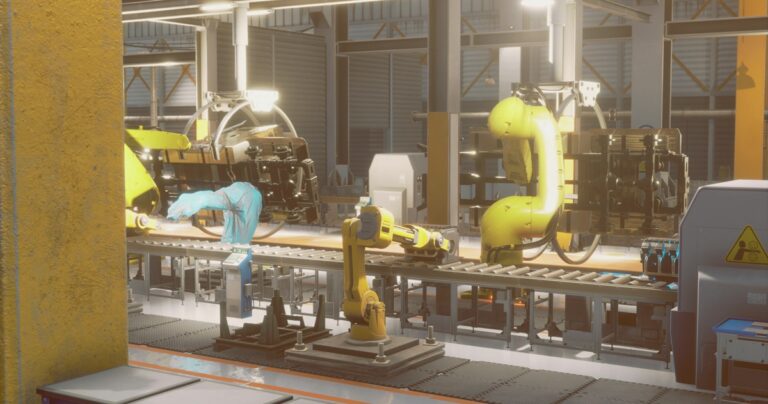
Automation and robotics have streamlined food processing operations, ensuring higher accuracy and greater speed for tasks like ingredient mixing, boxing, and bottling. But as the industrial and manufacturing world embraces Industry 4.0, we see exciting new developments in this sector, too.
What does this mean for the future of industrial automation in food processing? Here are the emerging food processing trends to watch.
The Major Trends Shaping Automation in Food Processing
These are the most important industrial automation future trends to watch.
Food Safety Automation
Automation has made a huge impact on the food processing industry. But in line with the principles of the Fourth Industrial Revolution, or Industry 4.0, we are seeing even greater reliance on automation in areas like food safety.
Food safety automation is the use of automated systems to increase the quality and safety of processed food products. By removing human error from the equation, two benefits arise. Firstly, the risk of contamination through human error is eliminated. Secondly, there is easier product traceability.
Artificial Intelligence (AI) and Machine Learning (ML) Enhancing Robotics
Robotics already play a part in food processing, sorting, and packaging processed food products. In the future, it will ensure even greater quality control, more efficient packaging, and increased sanitation. It’s all thanks to the inclusion of AI and ML technologies.
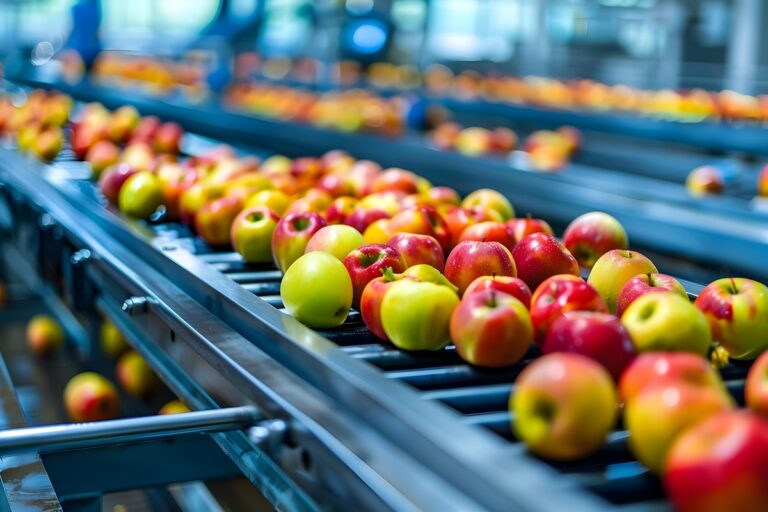
AI-powered robotics can detect the size and ripeness of fresh produce, or anomalies in food products, to offer stricter quality control. ML can detect patterns and refine processes to ensure more efficiency and thus higher productivity.
Data Analytics and Predictive Analytics
Data analytics is already well-known in the business world. Now, it is slowly making its presence felt in the food processing industry, too. Data analytics summarizes historical data, looking for key patterns that can help in refining processes. And this paves the way for predictive analytics.
Using both historical and current data, predictive analytics can forecast productivity and identify risks that would hamper productivity. It can predict the shelf-life of food products, identify the best conditions to reduce waste, and so much more.
Industrial Internet of Things (IIoT) Integration
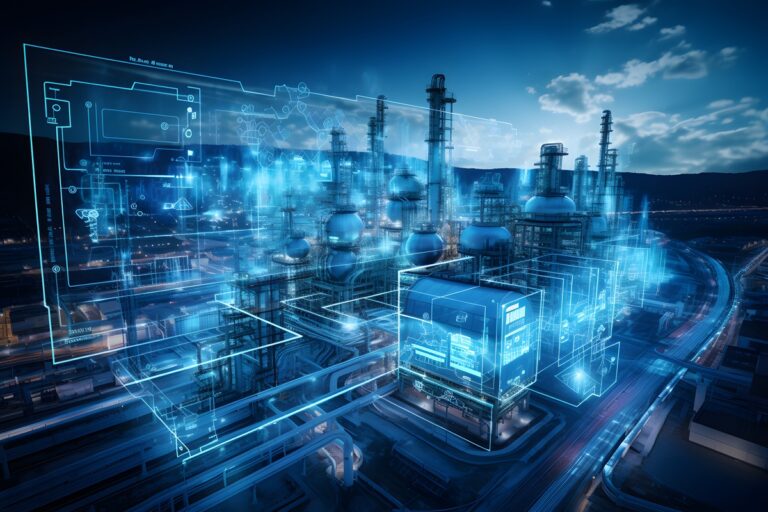
The Industrial Internet of Things allows Smart devices and equipment to be connected in a digital ecosystem. It is especially useful for collecting, monitoring, and assessing data to detect errors and troubleshoot problems.
This, in turn, allows for predictive maintenance, a proactive approach that handles issues before they lead to equipment failure. This is especially important in food processing plants, where the breakdown of food processing or refrigeration equipment causes costly downtime.
A Larger Focus on Sustainability
All industries, including food processing, are looking for ways to make their processes more sustainable. Industrial automation already reduces waste and improves efficiency by mitigating or outright eliminating human error.
However, the more widespread adoption of AI, ML, data analytics, predictive analytics, and IIoT means that automated systems can take this even further. Together, such advances can reduce waste of ingredients, packaging materials, and, more importantly, critical resources like water.
This is what improves a food processing plant’s overall sustainability.
Innovations in Control Panels for Food Safety, Efficiency and Sustainability
Newer systems offer full automation, reducing human contact with food during processing. They enhance safety systems such as emergency stop mechanisms and real-time alerts to reduce incidents and downtime. Best of all, modern control panels leverage emerging technologies to reduce waste.
Even older equipment can often be adapted for this purpose. The IIoT can be introduced with modern sensors and the latest automated control systems.
Why Customization Matters More Than Ever
With the increased reliance on these emerging technologies, customization matters more than ever in automated systems. There is a growing need for control panel innovation, with controls designed to harness these new technologies. Custom control panels fit the bill.
They can be designed according to the specifics of your food processing plant and your workflows. Custom control panels are used in conjunction with new trends in food processing but they can also offer a bespoke solution to your most urgent needs.
Industrial Automation’s Role in Scaling
Scaling requires measures to increase potential output to meet higher demand, without dramatically increasing resources or costs. And industrial automation allows you to do this.
It offers the potential for higher productivity, with greater efficiency, in less time. Therefore, your food processing business can meet increasing demand with minimal disruption and expense. And all of this can be done without having to replace most of your existing equipment.
Conclusion
Technology has made great strides in improving food safety, reducing waste, and ensuring sustainability in the food industry. But as the relentless march of technology changes the way industries do things, the need for more robust custom control panels has become clear.
AEC is a licensed ETL 508A panel building shop, offering custom control panels, standard panel parts, and automation services. We also service everything we build or sell. Contact us today to discuss your automation and control needs.
Svend Svendsen is the principal owner and a certified electrical engineer at Automation Electric & Controls Inc. Svend has decades of panel building experience specializing in custom industrial control systems, motor control panels, operator consoles, automated control systems, and custom control trailers. Automation Electric and Controls Inc. is a licensed ETL 508A panel building shop.