Embracing Industry 5.0: The Next Evolution of Industrial Automation
The industrial landscape is evolving once again. While industries have spent the last years implementing Industry 4.0 technologies like smart sensors, IoT connectivity, and data analytics, there’s a new model emerging – and it’s putting humans back at the center.
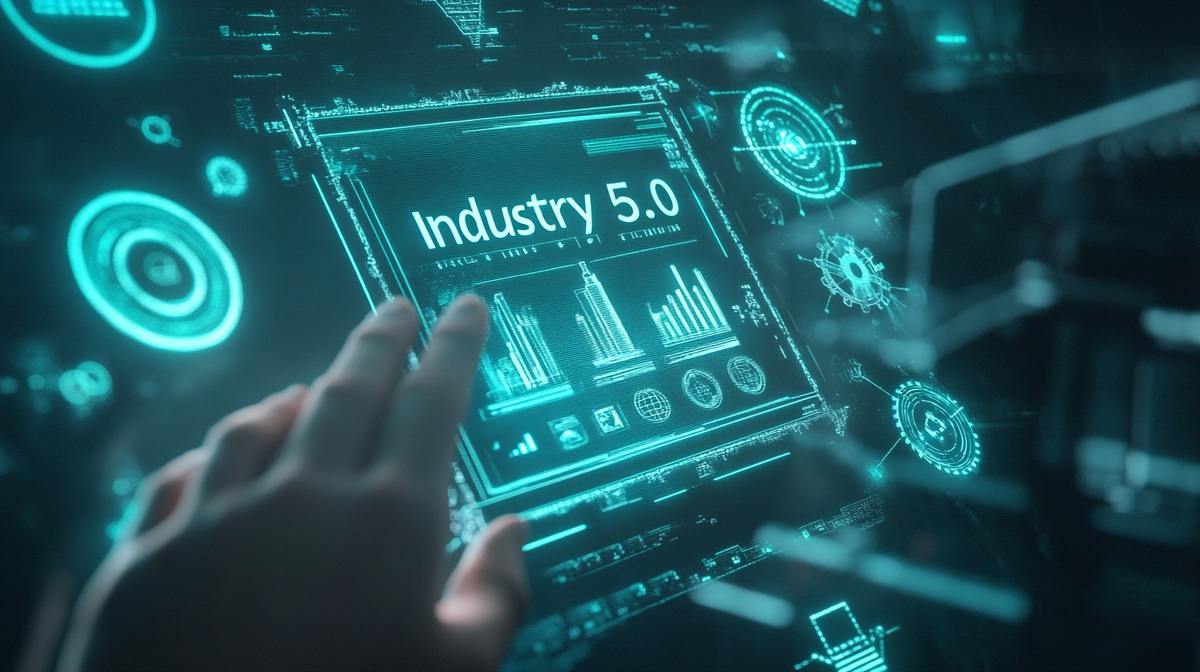
Industry 5.0 is a shift toward collaborative manufacturing that combines the efficiency of advanced automation with human creativity and problem-solving capabilities. This offers opportunities to enhance productivity while addressing sustainability goals and workforce challenges.
Industry 4.0 vs 5.0 – What’s the Difference?
Industry 4.0 focused mainly on digitalization and autonomous systems. Machines communicated with machines and data flowed seamlessly through networks. In this model, workers often found themselves adapting to technology rather than having the technology adapt to them.
Industry 5.0 flips this relationship and emphasizes three core principles:
- Human-centric design
- Sustainability
- Resilience
Rather than replacing workers, Industry 5.0 technologies enhance human capabilities and decision-making.
Industry 4.0 prioritized efficiency and automation. Industry 5.0 balances efficiency with worker well-being and environmental responsibility. Manufacturing and industrial systems now adapt to human operators instead of making operators adapt to rigid automated processes.
This human-centric automation approach transforms how we design automated control systems and implement collaborative technologies. The goal of Industry 5.0 is to reach the right level of collaboration between human intelligence and machine precision.
Human-Machine Synergy in the Smart Factory
The smart factory of Industry 5.0 looks different from its previous approaches as humans and machines work together.
Collaborative robots (cobots) work alongside human operators. They handle repetitive tasks while humans focus on complex problem-solving and quality decisions. These systems respond to human gestures, voice commands, and even emotional cues that they detect through advanced sensors.
AI-assisted decision-making supports human expertise rather than replacing it. When a production line encounters an unexpected issue, AI systems provide data-driven recommendations while experienced operators make the final decisions. This leverages both computational power and human intuition.
Worker empowerment and wellbeing is also centered in this model. Technology enhances human roles rather than eliminating them. Because of this, implementing Industry 5.0 principles can lead to higher job satisfaction and improved talent retention.
Impacts on US and Canadian Industries
US manufacturers and industrial plants are experiencing significant benefits from Industry 5.0 adoption.
Customization capabilities have expanded as human-machine teams can quickly adapt production processes as and when needed. This flexibility is valuable in sectors that need to be able to respond quickly to changing customer demands or adapt to different product conditions.
For example, aggregate producers can adjust crushing specifications for specific concrete applications and forest products facilities can optimize cutting patterns for varying lumber grades and dimensions.
Supply chain resilience has improved through enhanced human oversight of automated systems. When disruptions occur, human operators can quickly reconfigure production schedules and processes while AI systems provide real-time optimization suggestions. This collaborative approach is more adaptable than fully automated systems during unexpected challenges.
Workforce upskilling has also become necessary and this provides workers with increased opportunities for development. New job roles are emerging that combine traditional manufacturing skills with digital literacy and human-machine collaboration expertise.
Lastly, sustainability initiatives benefit from the human element in Industry 5.0 as workers can identify waste reduction opportunities that purely automated systems might miss. Research from the European Commission shows that human-centric approaches to sustainability often achieve better results than technology-only solutions.
Preparing Your Plant for Industry 5.0
Successful Industry 5.0 implementation requires careful planning and execution.
1. Assess Your Current Systems
Start by evaluating your existing automation setup. Look at your motor control panels, PLCs, and electrical infrastructure. Document what you have and identify any gaps. Focus on areas where human-machine collaboration could add the most value right away.
2. Upgrade Your Control Systems
Your control systems need to be able to support advanced human-machine interfaces. This means PLCs with enhanced processing power and better communication protocols. Install touch-screen HMIs that can handle voice recognition and gesture controls. Make sure your electrical systems meet current codes and can power these new technologies.
3. Implement Collaborative Technologies
Start small with pilot projects. Install collaborative robots in one area first. Add AI-assisted decision tools to critical processes. Choose technologies that work with your existing systems and test everything thoroughly before expanding to other areas.
4. Provide Training For Your Workforce
Your workers need new skills to work with intelligent systems. Provide hands-on training with the new interfaces. Teach them how to interpret AI recommendations and make decisions. Focus on building confidence with the technology.
5. Establish Safety Protocols
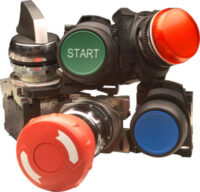
Update your safety standards for human-machine collaboration. Install proper safety systems and emergency stops. Create clear procedures for working with collaborative robots and train your workers on new safety requirements.
6. Monitor and Optimize
Collect data on how well your human-machine processes are performing so that you can identify bottlenecks and improvement opportunities. Get feedback from operators and make adjustments.
Final Thoughts: The Future of Industrial Automation
Industry 5.0 is an evolution of industrial automation that recognizes the value of human intelligence. As this model continues to evolve, manufacturers and plants that embrace human-centric automation will find themselves better positioned to handle future challenges and opportunities.
Our team at Automation Electric & Controls specializes in implementing advanced automation solutions that prioritize both efficiency and human-centric design. Contact us today to discuss how we can help you navigate this next evolution in industrial automation.
Svend Svendsen is the principal owner and a certified electrical engineer at Automation Electric & Controls Inc. Svend has decades of panel building experience specializing in custom industrial control systems, motor control panels, operator consoles, automated control systems, and custom control trailers. Automation Electric and Controls Inc. is a licensed ETL 508A panel building shop.