How To Choose An Industrial Automation Controller
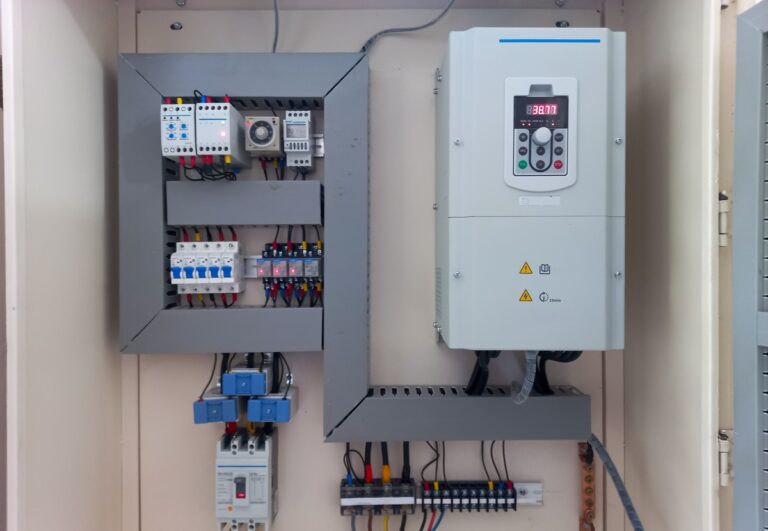
Are you unsure of how to choose an industrial automation controller for your facility?
We understand your frustration. Automation has changed the face of the industrial sector worldwide, and it shows no sign of stopping. With more and more technological advances each year, the industries of tomorrow will look very different from what they were just a few decades ago.
But despite these advances, the basics of automation and control have remained much the same.
Choosing an automation controller for your industrial facility doesn’t have to be complicated. All you need is our tips for how to choose an industrial automation controller.
Top 3 Tips For Choosing The Right Automation Controller
Here are our three top tips for choosing the right industrial automation controller for your specific needs.
1. Establish Your Facility’s Unique Needs
Do you have a specialty requirement or industry-specific needs? A standard controller may not be suited to your particular industrial environment so it may be better to have a custom one made.
Give the control panel manufacturer as much information as possible. They can build you a custom controller that meets your needs, but you have to be transparent about what those needs are.
Maybe you need to control a single machine or workstation. Perhaps you are looking for control of a whole assembly line or even an entire plant. The intention behind your choice will dictate the size and type of controller you need.
In industrial automation controllers, you have three choices: Programmable Logic Controller (PLC), Programmable Automation Controller (PAC), and Distributed Control System (DCS).
- PLCs are usually more affordable and are ideal for simpler control applications. They have fewer I/O points and typically require less maintenance. PLCs are suitable for controlling conveyor belts and assembly lines.
- PACs, on the other hand, generally have more I/O points and are more powerful. Therefore, they are better suited to more complex control requirements. PACs can be used for controlling robotics and can handle more advanced tasks like data logging and SCADA.
- Very large and complex continuous applications may need a DCS. A Distributed Control System consists of multiple, distributed controllers that communicate with a central supervisory system. This is more likely in paper mills, chemical plants, power plants, etc.
2. Plan For Any Potential Future Expansion
Once you have a basic idea of the type of controller you need, there’s something else to consider: future expansion.
When choosing an industrial automation controller, you must consider not only your facility’s immediate needs but future potential needs, too.
Is the controller you’re planning on purchasing and installing scalable? If not, it may become redundant in the event of expansion.
Here, the PACs, as a type of hybrid between a PLC and PC, win. They are more suited to the future expansion of your plant and equipment. This is thanks to their flexible programming and larger memory, as well as the larger number of IO points.
PACs can handle more complicated tasks and communicate with other systems. That said, they are not as cheap or easy to maintain as PLCs. You’ll also need higher programming skills for a PAC vs a PLC.
3. Consider Its Capacity For Connecting With IIoT Devices
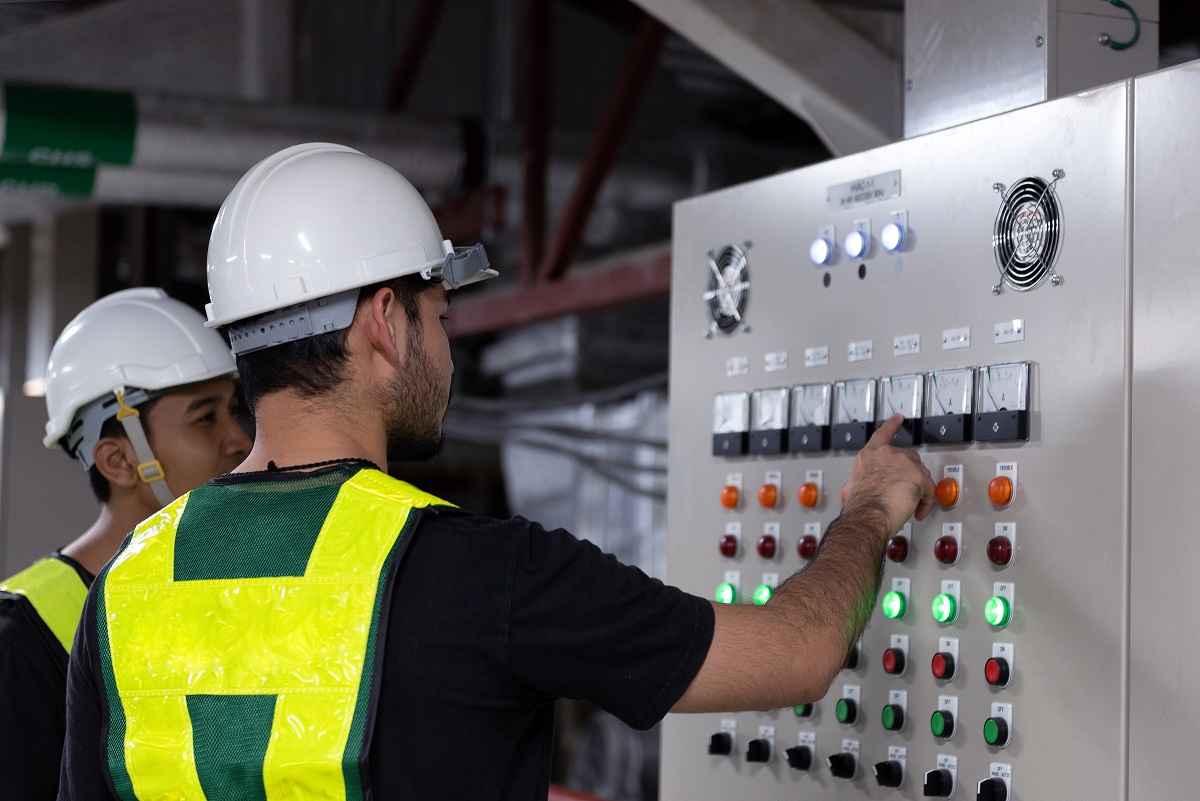
Even in the most automated environments, there will be some human involvement. Your human workforce needs to understand exactly how everything works. And the simpler and more user-friendly your control panel is, the easier your workers will find it to work with.
But with the increasing adoption of the Internet of Things (IoT), and especially the Industrial Internet of Things (IIoT), you’ll possibly be looking for a controller that is internet-friendly.
You can connect many types of IoT devices with PLCs. This is already done in many so-called ‘smart homes’ and is starting to gain popularity in agriculture, leading to ‘smart agriculture’ as well as other industries.
For simpler IoT applications that require high reliability, a PLC will do fine. However, PACs have a more open architecture for communication with other networks and systems. So your choice of an industrial automation controller, in the context of IIoT compatibility, once again boils down to the complexity of the application.
Conclusion
Choosing an industrial automation controller doesn’t have to be complicated and the three tips above will guide you in your choice. But there is something else to consider before making a choice, and that is control panel certification.
Whatever your specialized needs, your expansion plans, or your IoT requirements, you must always put safety first. Your reputation, and the safety of your workforce, depend on it.
As a licensed ETL 508A panel building shop, AEC offers you an automation control panel that has met accepted industry standards for safety and reliability. Contact us today for your industrial automation control needs.
Svend Svendsen is the principal owner and a certified electrical engineer at Automation Electric & Controls Inc. Svend has decades of panel building experience specializing in custom industrial control systems, motor control panels, operator consoles, automated control systems, and custom control trailers. Automation Electric and Controls Inc. is a licensed ETL 508A panel building shop.