
What Are Industrial Control System Integrators?
You are likely familiar with the concepts of industrial automation systems and industrial control panels. Well, industrial control system integration is what makes everything come together on-site. But what are industrial control system integrators and what do they do?
In this article, we explain the role of industrial control system integrators in industrial automation systems. We also examine the top benefits that investing in industrial control system integration specific to your industry will offer your business.
An Overview Of Industrial Control System Integrators
Industrial control system integration is the backbone of all industrial automation systems. The industrial control system integrators are the minds behind the innovations. They are technical professionals with engineering and IT skills and knowledge of how the industrial sector operates.
What Is Industrial Control System Integration?
Industrial control system integration refers to the design and implementation of control systems suited to industrial needs including manufacturing and processing.
This integration of manufacturing, processing, and other industrial machinery allows the system to function seamlessly with existing on-site equipment. It typically involves a high degree of automation, which increases efficiency and production and uses less energy, saving businesses money and time.
What Is The Role Of The Industrial Control System Integrator?
It is the role of the industrial control system integrator to design and implement the control systems that will streamline your industrial processes.
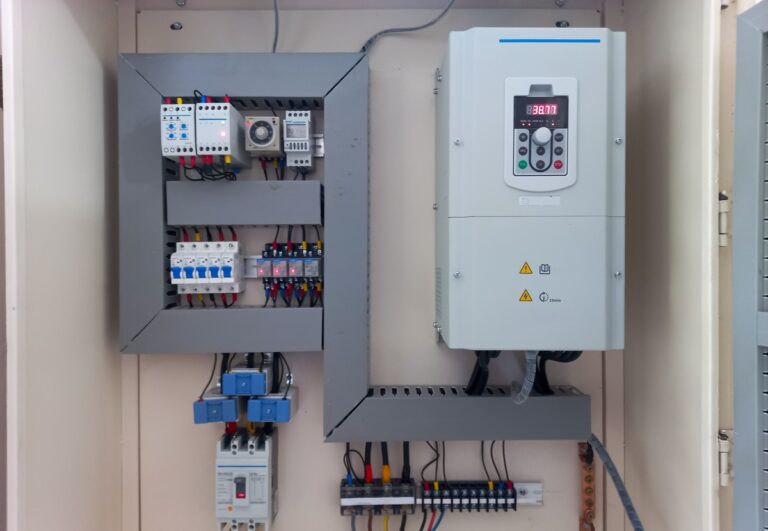
Some control system integrators produce the control panels these automated systems need themselves. But most work with panel-building shops. In such a case, the integrator focuses on the design and implementation of the industrial control panels, while the panel builder concentrates on building them.
Top 5 Benefits Of Industrial Control System Integration
Industrial control system integration entails the design and implementation of industrial automation systems. Through the use of industrial control panels as central and organized control hubs for your machinery and equipment, you’ll regulate and monitor everything with ease. This offers five benefits for your business:
1. The Ideal Platform To Scale Your Business
Industrial control system integration makes its biggest impact on your most complex industrial processes. Integration allows your industrial equipment, software infrastructure, and network security to all communicate with each other and work together, perfectly.
This leads to smoother workflows and the opportunity to scale your business. You can easily expand your plant’s processes and add new functionalities with minimal disruptions to your current workloads. As your business grows, you simply adapt the programming to suit your changing needs.
2. Improved Supervisory Control
With industrial control system integration, you’ll have control at your fingertips, but with less back-and-forth between equipment. Yours will be a remote supervision role, with minimal interference, as your machinery and processes coordinate seamlessly.
Industrial control panels, built to unique specifications, give you a convenient and reliable base for monitoring and supervising your automated processes. You don’t have to be on-site all the time. Control system integration reduces the need for micromanagement and round-the-clock supervision.
3. Greater Operational Efficiency
Greater operational efficiency is the benefit that most plant managers cite as their reason for implementing industrial automation systems. With integrated systems providing greater speed and accuracy, you will see higher productivity and efficiency at minimal cost.
There is no doubt that industrial automation systems enhance efficiency. The integration of all your automated equipment into one system just takes it a step further, for true control of all your automated machinery.
4. Enhanced Asset Reliability
Another benefit of industrial control system integration is the enhanced asset reliability it offers. By linking all your industrial automation systems for real-time data analysis, you’ll quickly identify issues that need fixing.
Predictive maintenance becomes easier, thanks to advanced control algorithms and troubleshooting. Potential issues are identified so you can deal with them before they lead to breakdowns, minimizing downtime and loss of revenue.
5. Optimized Energy Consumption
Integrating industrial automation and control optimizes energy consumption, regardless of the sector you operate in. Conserving resources is good for both your bottom line and the environment.
Integrating your equipment leads to greater accuracy, and continuous refinement of manufacturing processes leads to less waste. That makes it easier to meet the growing demand for sustainability in the industrial sectors. This will save you money, too, through better use of available materials.
Conclusion
Industrial control system integrators design automated control systems that seamlessly integrate with on-site machinery to streamline your day-to-day processes. By working with industrial panel builders, they implement systems that deliver increased efficiency and reliability, and improved energy consumption.
Automation Electric and Controls Inc. is a licensed ETL 508A industrial panel building shop. We build and program robust, high-quality control panels for the aggregate, food processing, and forest industries. We service every panel we build and carry a wide range of panel parts and accessories.
Contact us today for your industrial automation control system needs.
Svend Svendsen is the principal owner and a certified electrical engineer at Automation Electric & Controls Inc. Svend has decades of panel building experience specializing in custom industrial control systems, motor control panels, operator consoles, automated control systems, and custom control trailers. Automation Electric and Controls Inc. is a licensed ETL 508A panel building shop.