From Drive Cabinets to Data Hubs: The Expanding Role of VFD Panels

Variable frequency drive (VFD) panels used to be straightforward. They started motors, ramped them up, and shut them down. That was the job.
But industrial facilities don’t run that way anymore. Modern production lines need more than simple on-off control. They need real-time feedback and predictive insights. They need systems that talk to each other and flag problems before they affect production.
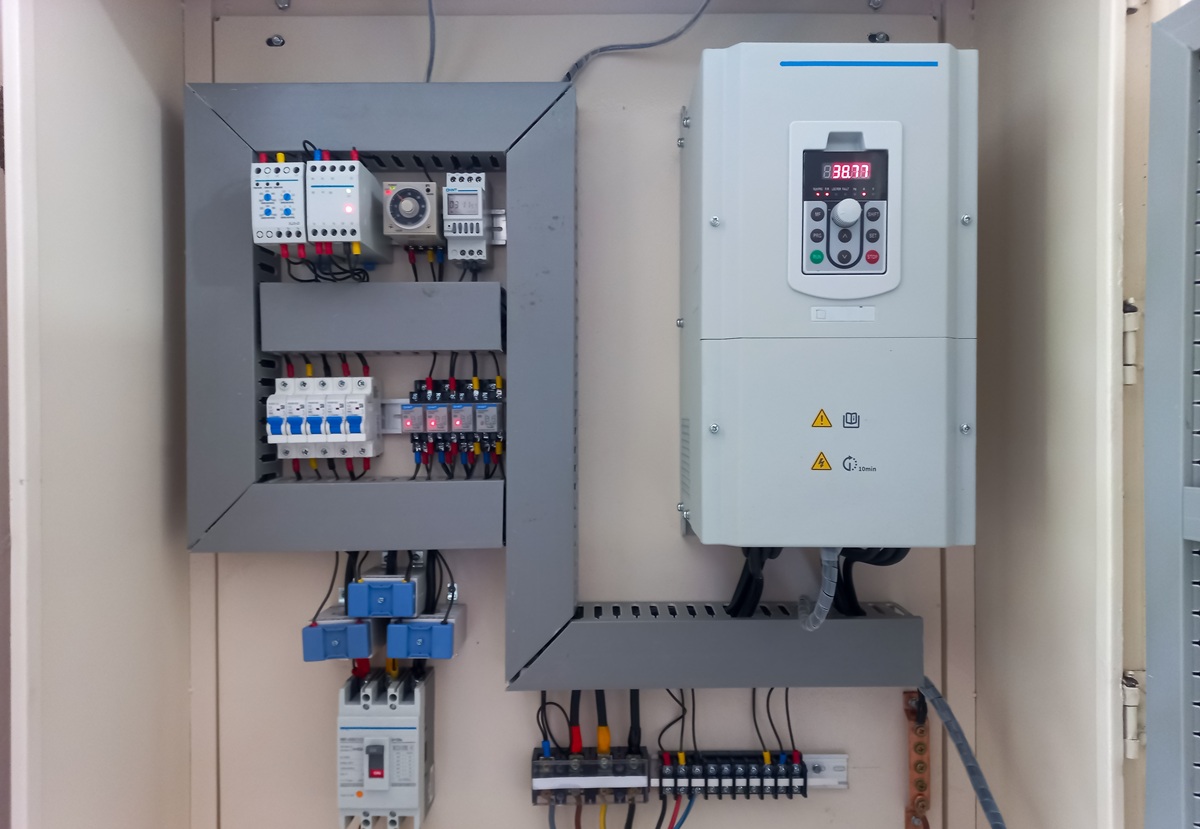
VFD panels have evolved to meet these demands. Today’s motor drives double as data collection points, condition monitors, and integration hubs. This shift means smarter maintenance strategies and tighter control over energy use.
How Modern VFD Panels Go Beyond Motor Control
A VFD panel’s primary function is still speed control – adjusting motor frequency to match process demands, saving energy and reducing mechanical stress. But the value doesn’t end there.
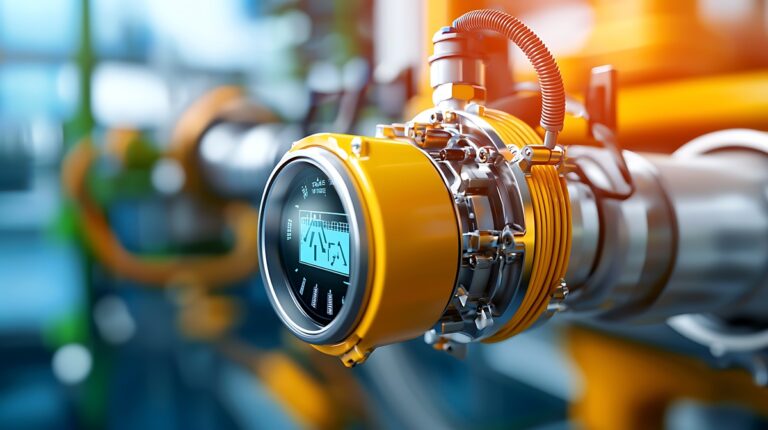
Modern VFD panels are now serving as intelligent control nodes, with onboard processors that constantly analyze performance metrics. They track voltage, current, temperature, and vibration patterns, and flag any anomalies before they turn into failures.
For example, a food processing plant running conveyor systems can detect bearing wear through vibration analysis. The VFD panel logs the data and sends alerts when readings exceed normal thresholds. Maintenance teams can then schedule repairs during planned downtime instead of scrambling during a breakdown.
Drive cabinets also now accommodate multiple communication protocols. EtherNet/IP, Modbus TCP, and Profinet allow VFDs to connect with PLCs, HMIs, and enterprise systems. This connectivity enables centralized monitoring across entire facilities.
Operators can view all motor statuses from a single control room, rather than walking the floor to check individual drives. They can spot trends across production lines and quickly identify what needs attention.
Real-Time Data Logging, Condition Monitoring, and System Feedback
Data-enabled panels collect more than motor speed. They capture operational trends, energy consumption patterns, and fault histories. This information supports both immediate control decisions and long-term optimization strategies.
Continuous Performance Tracking
VFD panels log parameters at regular intervals, and operators can review historical data to pick up on inefficiencies or recurring issues.
Real-time monitoring also improves safety. If a motor gets too hot or draws abnormal current, the VFD can respond in seconds, reducing speed or triggering alarms to prevent damage.
Condition-Based Maintenance Strategies
Traditional maintenance schedules rely on regular time intervals. Every six months, you service – whether the equipment needs it or not.
Condition-based maintenance is when you service equipment based on actual wear indicators.
VFD panels make this approach more practical by tracking things like:
- How many hours the motor has been running
- Load profiles
- Thermal stress cycles
- Fault events
When a parameter crosses a threshold, the system raises a maintenance request, reducing unnecessary service calls and catching problems early.
Integrating VFDs into Smart Manufacturing Ecosystems
Industrial IoT platforms depend on connected devices. VFD panels fit naturally into these ecosystems because they already interact with motors, sensors, and control systems. Adding cloud connectivity or edge computing takes them further.
Edge Computing at the Drive Level
Edge devices process data locally before sending it to central systems. This reduces network traffic and enables faster response times. Some VFD panels now include edge computing capabilities, allowing them to run analytics algorithms on-site.
To give an example: A food processing facility might use edge computing to correlate motor performance with product quality metrics. If a mixer motor slows unexpectedly, the system can adjust ingredient feed rates automatically. This level of integration keeps production consistent without operator intervention.
SCADA and MES Integration
VFD panels feed data into supervisory control and data acquisition (SCADA) systems. SCADA platforms provide facility-wide visibility so that operators can monitor dozens of motors from a single interface.
Manufacturing execution systems (MES) use VFD data for production tracking and reporting. When a conveyor runs slower than expected, the MES adjusts throughput forecasts. This keeps scheduling accurate and prevents bottlenecks.
Energy Management and Reporting
Energy costs are a major expense for industrial facilities. VFD panels with power monitoring capabilities track kilowatt-hour consumption per motor. This enables facilities to identify energy hogs and optimize processes accordingly.
Some drive systems even participate in demand response programs. During peak pricing periods, the VFD reduces non-critical motor speeds to lower energy draw. This automated adjustment cuts costs without manual intervention.
AEC’s Role in Designing Intelligent Drive Cabinets
Building a data-enabled VFD panel requires careful planning around communication architecture, safety interlocks, and future scalability.
We approach each project by understanding your facility’s control environment. What automation platforms do you use? What data do you need? How will you expand operations over the next five years?
Our designs incorporate:
- Redundant communication pathways to prevent data loss
- Modular layouts that simplify upgrades
- Environmental ratings suited to food processing, lumber, and aggregate environments
We also provide commissioning support to ensure VFD panels integrate smoothly with existing systems. This includes programming communication protocols, configuring alarms, and training your team on data access.
Conclusion
VFD panels have moved beyond basic motor control. They now function as data hubs, condition monitors, and integration points within smart manufacturing systems. This gives facility operators powerful tools to improve efficiency, reduce downtime, and manage energy use.
At Automation Electric & Controls, we design VFD panels that integrate seamlessly with your existing systems while preparing your facility for future automation upgrades. Contact us to discuss how intelligent drive cabinets can improve your operations.
Svend Svendsen is the principal owner and a certified electrical engineer at Automation Electric & Controls Inc. Svend has decades of panel building experience specializing in custom industrial control systems, motor control panels, operator consoles, automated control systems, and custom control trailers. Automation Electric and Controls Inc. is a licensed ETL 508A panel building shop.