Exploring the Role of Edge Computing in Control Panel Efficiency
In today’s industrial landscape, there is constant pressure to optimize operations. Manufacturers seek faster, smarter, and more reliable systems to remain competitive and responsive to market needs. At the center of this evolution is the humble control panel.
Edge computing is reshaping how industrial control panels function and how efficiently they perform. This article explores the growing influence of edge computing on control panel efficiency. We examine what it means, how it works, and what it can do for your business.
Introduction to Edge Computing
Industrial environments generate massive amounts of data through programmable logic controllers (PLCs), sensors, actuators, and human-machine interfaces (HMIs). All that data requires a reliable network infrastructure.
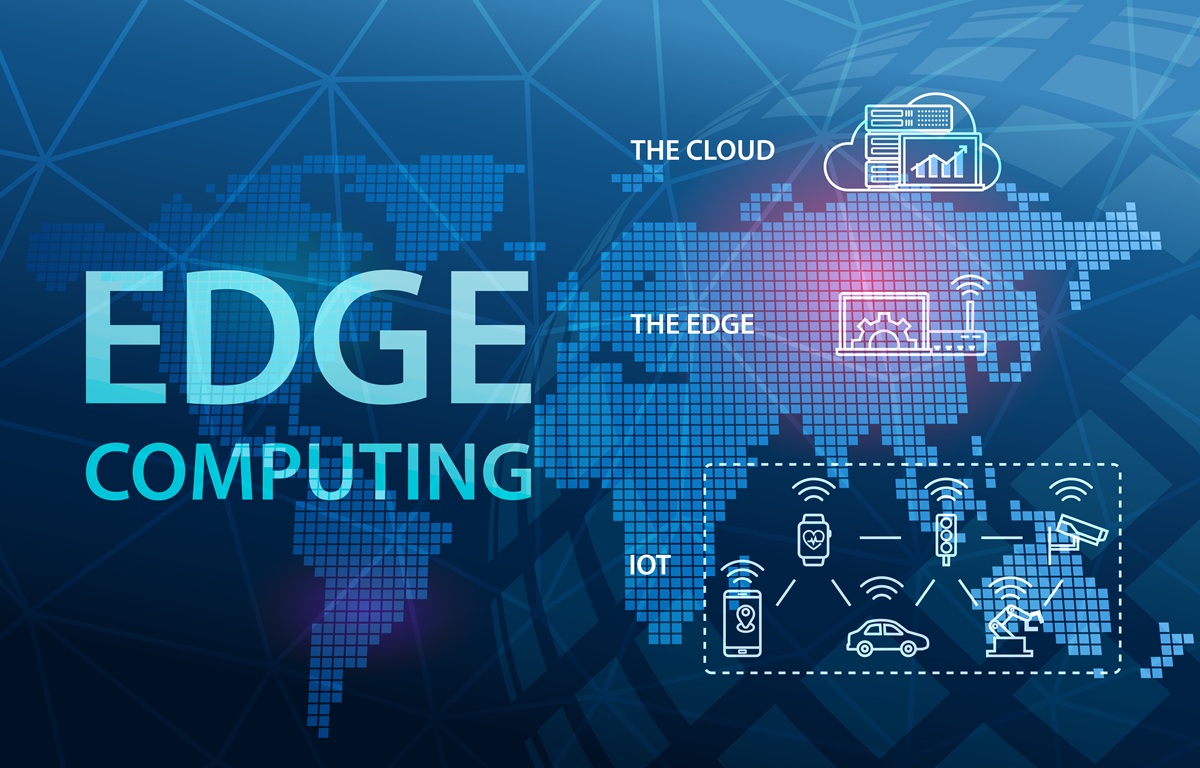
Edge computing is the practice of processing data closer to the source, at the “edge” of the network. It is a form of technological architecture that allows computing at various points along the edge-cloud continuum.
Edge computing brings computation and data storage closer to the sources of data for on-site, real-time decisions. It enables local processing and fast responses even in network-limited or remote areas.
Therefore, it offers faster and more efficient automation and control.
Benefits of Edge Computing in Industrial Automation
Edge computing delivers tangible improvements across several areas of control panel functionality and overall plant efficiency.
1. Faster Decision-Making
Speed is everything on the factory floor. Edge-enabled control panels can process machine data in milliseconds, allowing them to respond to changes almost instantly. Faster decision-making reduces downtime and ultimately increases productivity.
2. Reduced Latency
When control panels rely on the cloud for decision-making, network disruptions can cause delays. Edge computing reduces reliance on external networks. Even if connectivity drops, local systems continue to function efficiently and autonomously.
3. Improved System Reliability
By reducing the volume of data transmitted to external systems, edge computing decreases the risk of data loss or corruption during transmission.
4. Optimized Bandwidth Usage
With edge devices filtering and summarizing data before it’s sent to the cloud, less bandwidth is consumed. This is especially valuable in facilities with limited connectivity or where data usage is costly.
5. Enhanced Security
Fewer touchpoints with external servers mean fewer opportunities for breaches. Control panel systems with edge capabilities can apply real-time threat detection to network traffic, adding another layer of protection.
6. Supports Predictive Maintenance
Advanced industrial control systems allow you to harness the power of data. Edge computing is particularly useful for predictive analytics and predictive maintenance.
Integrating Edge Computing in Control Panels
These components enable local data processing, secure communication, and easy integration with larger networks.
- Industrial PCs: These are rugged computers that provide the computing power necessary for edge processing. They often sit inside or adjacent to control panels and run analytics, automation software, or custom applications.
- Smart sensors and actuators: Sensors equipped with onboard processing can analyze data before sending it to the control panel. This allows control systems to focus on exceptions or aggregated results rather than raw data.
- IIoT gateways: Industrial IoT (IIoT) gateways serve as the bridge between local devices and cloud platforms. When edge computing is employed, these gateways often act as data filters and preprocessors.
Design Considerations for Edge-Enabled Control Panels
Installing control panels in industrial environments requires expertise and planning.
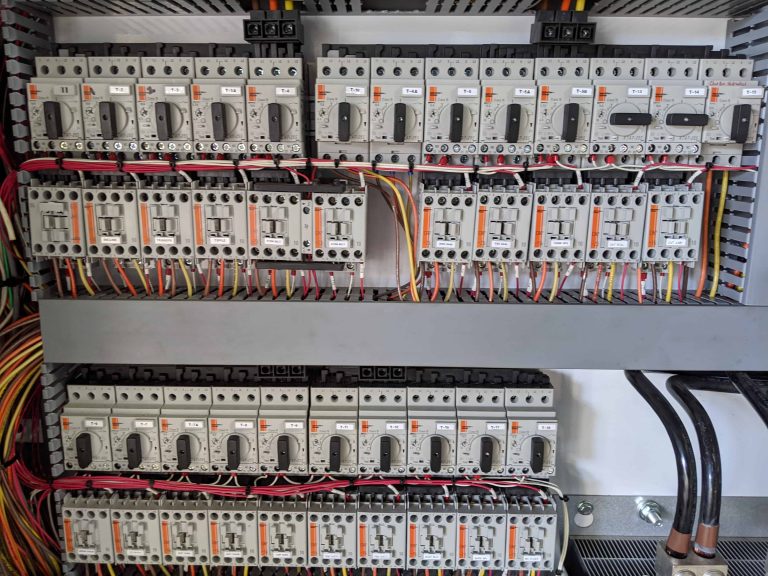
A lot goes into designing control panels for extreme environments. And when those control panels utilize edge computing, there are further design considerations. Engineers must consider layout, heat management, connectivity, and software integration.
- Hardware layout and space: Control panels already house various components. Adding edge devices requires planning to maintain accessibility and compliance with electrical standards.
- Heat dissipation: More computing means more heat. Panels with edge systems may need extra cooling or ventilation features to avoid overheating.
- Cybersecurity: Edge computing introduces new potential attack surfaces, which necessitate strong firewalls, user authentication, and secure update mechanisms.
- Lifecycle management: A solid lifecycle management plan ensures long-term efficiency and security with regular updates, patching, and diagnostics.
Real-World Applications in Industrial Automation
Edge offers many practical applications, including more efficient IIoT processes. More and more industries are turning to edge computing to remain relevant in the modern industrial era known as Industry 4.0. Here are some examples.
Manufacturing
Edge-enabled control panels in assembly lines monitor output quality, adjust operations in real time, and log performance metrics locally. They can even detect patterns that indicate wear on components, triggering automatic service requests.
Food and Beverage Processing
Edge systems in food plants help maintain temperature, humidity, and cleanliness standards by monitoring environmental sensors in real-time. Control panels process data instantly to adjust HVAC systems or signal alarms if thresholds are exceeded.
Conclusion
Edge computing makes it easier to collect, process, and analyze equipment data in real time. Its real-time data processing supports predictive maintenance and makes control panels more efficient. At AEC, we understand the importance of durable and efficient control panels that not only integrate with but also scale with your business needs. Contact us for modern industrial automation control panels and parts that you can rely on.
Svend Svendsen is the principal owner and a certified electrical engineer at Automation Electric & Controls Inc. Svend has decades of panel building experience specializing in custom industrial control systems, motor control panels, operator consoles, automated control systems, and custom control trailers. Automation Electric and Controls Inc. is a licensed ETL 508A panel building shop.