
Improving Recycling & Sorting Management With PLC Controls
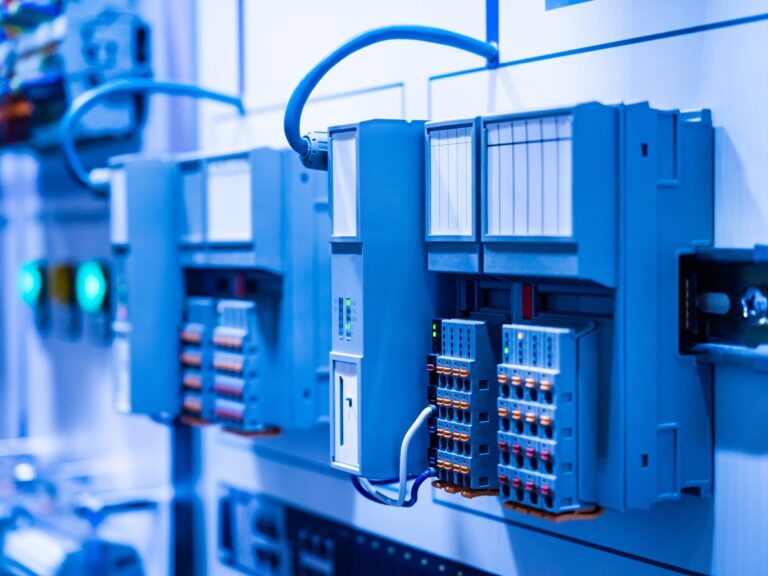
It’s no secret that Programmable Logic Computer (PLC) controls play a major role in the industrial and manufacturing sectors, monitoring and regulating equipment on the factory floor. But they’re just as essential to the recycling industry, answering the increased demand for precise separating and sorting.
That’s the great thing about using custom PLC controls. Virtually any industry can implement them to maximize output and performance while ensuring reliability, safety, and scalability.
Keep reading to learn how recycling plants are improving their recycling and sorting management with PLC controls.
How PLC Controls Enhance Recycling & Sorting Management
PLCs are as important in the recycling industry as any other sector. They are used not only to monitor your machinery but also to optimize their performance, making any necessary adjustments. They can also facilitate safer working conditions and greater reliability.
By investing in the right PLC controls, you can enhance your recycling and sorting in the following ways:
Optimizing Conveyor Belt Timing
Getting the timing and functioning of the conveyor belt right is vital to the sorting process ahead of recycling.
A PLC regulates the speed and timing, unique to your facility’s workload. It oversees the conveyor belt function, stopping it when objects are detected, and allowing enough time to pick objects for sorting. Then it starts the conveyor belt again.
PLCs can control the speed and timing of a conveyor belt in the following two ways.
First, it can control the speed using a variable frequency drive (VFD) connected to the motor. It adjusts the belt speed by controlling the VFD, allowing it to adjust the frequency of the electrical supply. Secondly, it can control the timing of conveyor belts through sensors that detect when recyclables are present.
Accurate Detection Of Different Materials
Effective recycling depends on the accurate sorting of different materials. Some materials will inevitably creep in that are not recyclable. Or perhaps your recycling plant only handles certain types of recyclable material.
Whatever the case, your machinery must be able to detect each type and categorize it accordingly. This is especially important when recycling plastics, as there are seven types of recyclable plastic with varying levels of recycling difficulty. But before recycling can occur, they need to be sorted and classified.
You can program and customize PLC controls to handle your specific requirements. They will enable your sorting machines to detect material types with greater accuracy. This ensures that incompatible plastics are not lumped together, leading to difficulties further in the process.
Improved Performance & Safety
These days, most modern recycling plants rely on robots and only a handful of human workers. That is the very essence of automation and is where PLCs can shine. It’s easy to introduce them into any recycling facility, due to their robust design and low learning curve.
They are purposefully built to withstand a harsh environment while communicating with, monitoring, and controlling machinery. PLC controls offer improved accuracy and performance of everything from the conveyor belt to the robotic sorting machinery.
They ensure safer operation, too. If anything goes wrong at any stage, these controls will shut down the conveyor belt and sorting machinery. You can also program your PLC controls to trigger an alarm and alert your on-site workers to the problem.
Real-Time Analysis And Diagnostics
Of course, it’s better to head off problems before they occur. Shutdowns and troubleshooting cost you time, which costs you money. Fortunately, PLCs can offer your business the added benefit of real-time diagnostics.
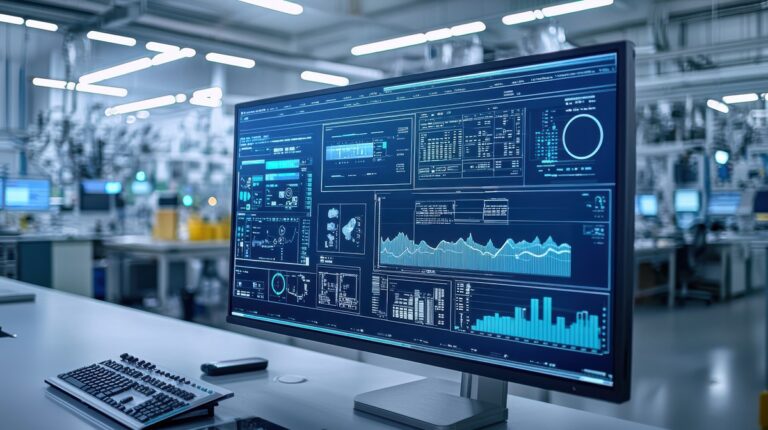
PLCs are capable of collecting and processing data from sensors and other devices. Some PLCs also have built-in data analysis and predictive analytics, ensuring all your sorting and recycling machinery performs optimally.
Your recycling business will avert potential problems and shutdowns with these PLC diagnostics. Because they constantly monitor various sensors and inputs, they can quickly diagnose technical faults with sorting equipment.
Easy To Use And Adaptable
PLCs are easy to install and program, using a variety of programming languages. Yet they are as compact and lightweight as you need them to be and are cost-effective. Their modular nature allows you to adapt them to your needs.
It’s also easy to reprogram PLCs to accommodate changes to your recycling plant. For example, when you branch out into recycling new and different types of materials, you simply reprogram the PLC to administer these changes.
Conclusion
PLC controls are the perfect modular solution to improving recycling and sorting management at a recycling facility. They are ideal for streamlining the operations at any facility with multiple processes.
At AEC we make it easy to implement customizable controls into your business. We also stock all the essential parts you’ll need to keep your automated controls running smoothly. Call us today for more information about our wide range of products.
Svend Svendsen is the principal owner and a certified electrical engineer at Automation Electric & Controls Inc. Svend has decades of panel building experience specializing in custom industrial control systems, motor control panels, operator consoles, automated control systems, and custom control trailers. Automation Electric and Controls Inc. is a licensed ETL 508A panel building shop.