
What Is The Difference Between Motor Circuit Protectors And Motor Control Panels (MCP)

Terms you’ll come across often in the industrial setting are motor circuit protectors and motor control panels. These are often designated by the letters MCP. This can cause a bit of confusion, especially if you are new to the industrial sector.
These units work together to streamline the operation of your motorized equipment and protect your machinery from electrical surges and damage. This protection is vital in any industrial application where such damage can endanger your operations and also your workers.
Get to know what these vital components are, how they work, and what they can do for you in our short guide below.
What Is A Motor Control Panel?
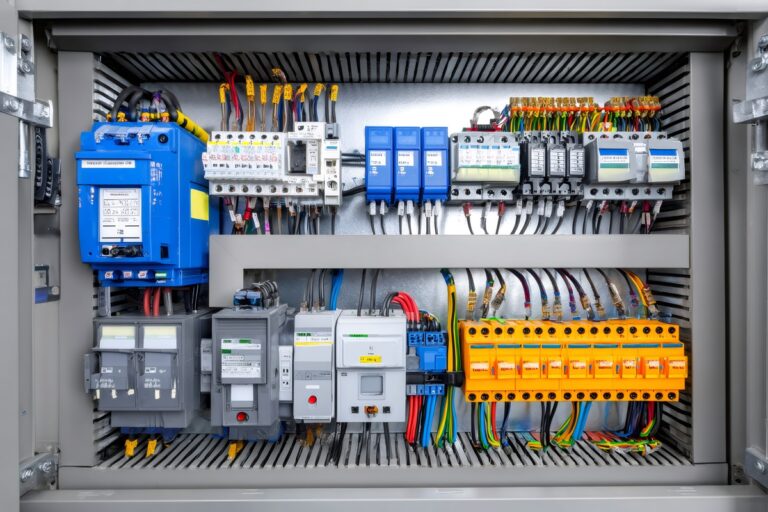
An MCP electrical panel distributes power to your industrial site’s electric motors through a combination of drives, relays, switches, and transformers. A motor control panel is also called a motor starter control panel.
It lessens the need for human intervention and ensures the smooth operation of your machinery. It not only controls the operation of electric motors but also offers worksite safety and reduces power consumption.
Motor control panels may be used to control individual or multiple motors, depending on your industry’s needs. You can use them in single or three-phase power supplies and can operate them manually or fully automate them.
You can get custom-designed motor control panels to suit your particular requirements.
How Does A Motor Control Panel Work?
The typical motor control panel controls the starting and stopping of your electrical motors. It does so through an electrical contact and overload relay, which stops the motor when under excessive load.
The rise of automation was one of the biggest advances in the industrial sector. A simple switch can connect a motor to an electrical outlet, and this is easily achieved through human intervention. However, a motor control panel allows safe and convenient automation with very little to no human intervention.
Motor control panels come in different sizes and configurations. Smaller motor control panels may rely on a motor circuit breaker in the case of high currents or overloads. But they all perform the same basic function: the control of electric motors.
Motor Control Panel Applications
Automation is the future of work. Despite fears that it would destroy jobs, it has transformed the workplace into a safer and more productive place.
There is a multitude of applications for automation with motor control panels in the industrial sector.
For example, you can initiate automatic start/stop functions through the use of contacts or relays. You can also control specific motor connections in the case of multiple motor environments. And features such as speed, reverse rotational control at start-up, and voltage control, can all be included if required.
MCP electrical panels are perfectly suited to the industrial environment. They can include features such as temperature control for environments that utilize refrigeration or heating.
What Is A Motor Circuit Protector?
A motor circuit protector is also called an instantaneous trip (IT) circuit breaker. It is, essentially, a special type of circuit breaker for the control and protection of connected motors.
A motor circuit protector is a unit specially designed to protect equipment from damage due to overloads and short circuits.
- When a motor operates in excess of its full-load rating for an extended period, it can overheat. This is called an overload, and it runs the risk of becoming a fire hazard.
- When the current exceeds the motor’s current rating or its conductors’ ampacity, it is called an overcurrent. This can result from overload or an electrical short circuit.
- When the electrical flow completes its circuit through a shorter distance than it is meant to do, it creates a short circuit.
All of these conditions can cause harm to your equipment. They also present hazards that jeopardize the safety of your facility and your workers.
How Does A Motor Circuit Protector Work?
The typical MCP disconnects the current in the case of an electrical fault. It does so through integrated magnetic protection guards.
Motor circuit protectors are available in a range of installation types and motor sizes, to suit your industry’s needs. They work in single or three-phase units, and are also reusable, offering you maximum control and versatility. Some models may also include fuse protection features.
Motor circuit protectors can be combined with overload relays, contactors, and NEMA or IEC motor starters.
Conclusion
No industrial site can operate efficiently without the use of suitable motor control panels and motor circuit protectors. You can trust us for all you need to automate your operations and keep them running smoothly.
We are a licensed ETL 508A panel building shop with 20 years of experience, servicing amongst others, the aggregate and food processing industries. Contact us today for your custom motor control panel, parts, or technical repairs.
Svend Svendsen is the principal owner and a certified electrical engineer at Automation Electric & Controls Inc. Svend has decades of panel building experience specializing in custom industrial control systems, motor control panels, operator consoles, automated control systems, and custom control trailers. Automation Electric and Controls Inc. is a licensed ETL 508A panel building shop.